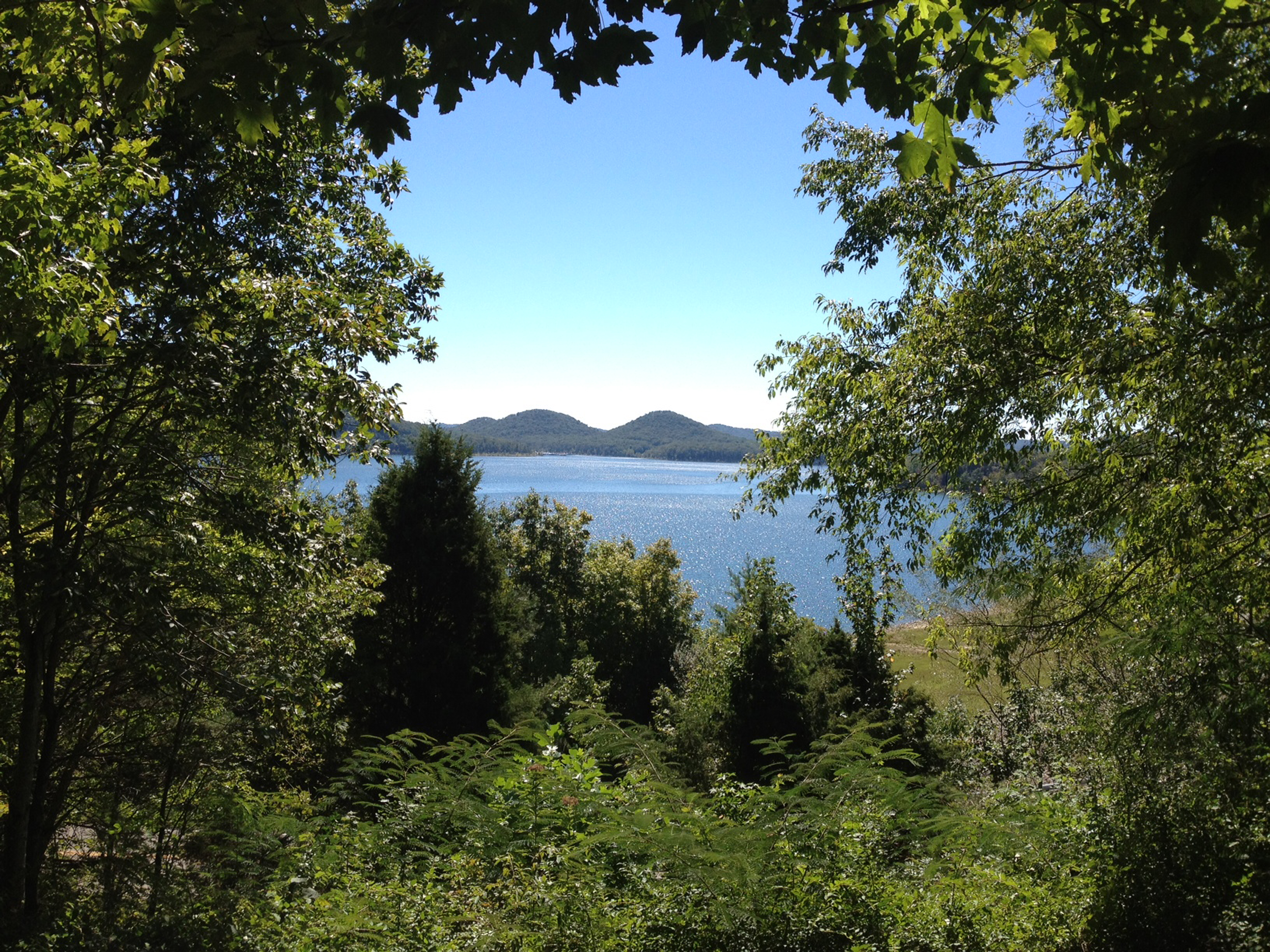
Cave Run Lake is the “Muskie Capital of the South” – an 8,270-acre reservoir tucked into the forested hills of the Daniel Boone National Forest in northeastern Kentucky, and the best place in the state (and one of the best anywhere south of the Great Lakes) to chase the elusive, toothy muskellunge. Beyond the muskie, it’s a scenic, lightly developed lake near Morehead with good bass and crappie fishing, big national-forest campgrounds, and a peaceful, woods-and-water feel.
This guide covers Cave Run Lake: the famous muskie fishing, the boating and camping, and the forest around it. It’s part of our growing Kentucky Lakes Database.
- Cave Run Lake at a glance
- Fishing Cave Run Lake
- Boating, camping and the national forest
- Getting there and what’s nearby
- Know before you go
- Frequently asked questions
- Why is Cave Run Lake called the Muskie Capital of the South?
- What fish are in Cave Run Lake?
- Where can you camp at Cave Run Lake?
- Where is Cave Run Lake?
Cave Run Lake at a glance
- Surface area: ~8,270 acres; ~169 miles of forested shoreline
- Location: Rowan, Bath, Menifee & Morgan counties, northeastern Kentucky (near Morehead)
- Built: Cave Run Dam on the Licking River, completed 1974 (U.S. Army Corps of Engineers); within the Daniel Boone National Forest
- Claim to fame: the “Muskie Capital of the South”
- Top fish: muskellunge, largemouth bass, crappie, bluegill, catfish
Fishing Cave Run Lake
Cave Run is defined by its muskie:
- Muskellunge – the “fish of 10,000 casts.” Kentucky Fish & Wildlife stocks and manages Cave Run as a trophy muskie fishery, and it draws muskie hunters from across the country. The flooded timber, creek arms and weed edges hold them; fall and early spring are prime, and a guide is worth it if you’re new to the species.
- Largemouth bass in the timber and coves – a solid, sometimes overlooked bass lake.
- Crappie, bluegill and catfish fill out the catch for everyone else.
A Kentucky fishing license is required; check the muskie size and creel limits, which protect the trophy fishery. Cave Run’s standing timber and stumps make a contour map and caution at speed important.
Boating, camping and the national forest
Set inside the Daniel Boone National Forest, Cave Run has a wild, wooded character. The Corps and Forest Service run large, popular campgrounds – Twin Knobs and Zilpo are the big ones, with beaches, boat ramps and lakeside sites – plus marinas for fuel, rentals and supplies. The lake is great for pontooning, fishing and paddling, with a no-wake-friendly feel in the upper arms, and the surrounding forest offers hiking (including the Sheltowee Trace), mountain biking and the scenic drive over the dam. Morehead and Morehead State University are minutes away.
Getting there and what’s nearby
Cave Run Lake is just off Interstate 64 near Morehead, about 1 hour east of Lexington and 2 hours from Cincinnati. The Red River Gorge and Natural Bridge are within an hour to the south, making the area a strong outdoor-weekend base.
Know before you go
- Fishing license: a Kentucky license is required; note the muskie regulations.
- Standing timber: watch for stumps and timber – run cautiously and use a map.
- Reserve camping: Twin Knobs and Zilpo fill up on summer weekends.
- Best seasons: fall and early spring for muskie, summer for camping, boating and swimming.
Frequently asked questions
Why is Cave Run Lake called the Muskie Capital of the South?
It’s managed by Kentucky as a trophy muskellunge fishery and is the premier muskie lake in the southern U.S., drawing muskie anglers from across the country.
What fish are in Cave Run Lake?
Muskellunge (the headliner), largemouth bass, crappie, bluegill and catfish.
Where can you camp at Cave Run Lake?
The large Twin Knobs and Zilpo campgrounds (Corps/Forest Service) have beaches, ramps and lakeside sites, plus marinas around the lake in the Daniel Boone National Forest.
Where is Cave Run Lake?
In northeastern Kentucky near Morehead, just off I-64, about an hour east of Lexington.
Related: explore more of the largest lakes in Kentucky, or head back to the Kentucky Lakes Database.
Explore more Kentucky lakes: the largest lakes in Kentucky and the deepest lakes in Kentucky.